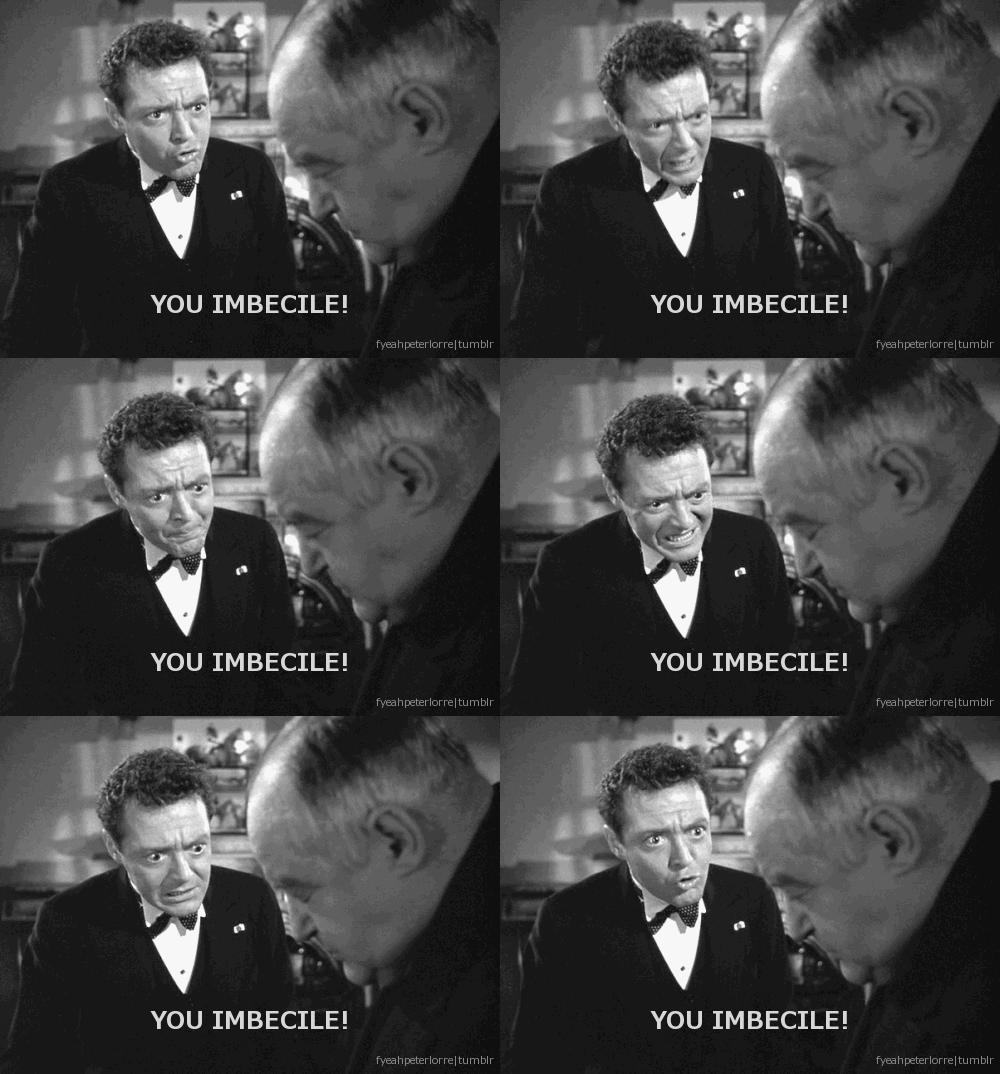
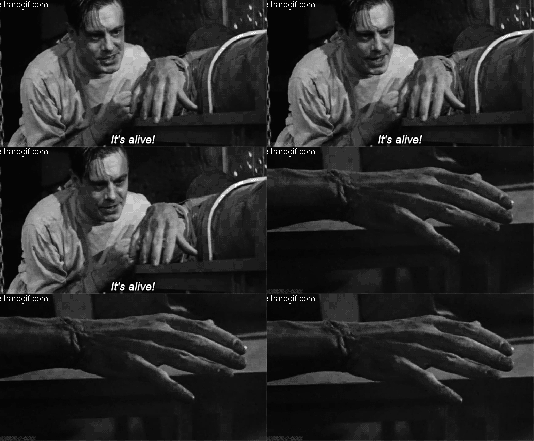
iheartfilm is dedicating the month of November to the lesson of Gratitude in films; the quality of being thankful.
“Run Forrest, Run!”
Every time I think of the movie “Forrest Gump”, that’s the first quote I hear. Then, “Life’s like a box of chocolates, you never know what you’re gonna get.”
Forrest Gump’s (Tom Hanks) life is a testimony to gratitude. He understands his challenges but is not hesitant to live his life to the fullest, including telling his childhood love, Jenny (Robin Wright) how he feels about her.
He gets it. Life gives you what you get, so don’t whine, go for it and make the most of your journey. Thank God for his mother, (Sally Field), she didn’t listen to what the”experts” had to say. She did whatever she had to do to provide Forrest with the foundation that he could do anything. With his braces,Β he had “magic” legs. Turn every so-called obstacle into an advantage. Once again, attitude is everything!
Forrest is a true inspiration and proof that with support and love we can overcome adversity. Love and compassion make the difference.
Forrest and Bubba
Forrest – Lieutenant Dan
Lieutenant Dan, Bubba, Forrest
Jenny
Little Jenny
Forrest Life Quote
“Run Forrest, Run!”
Little Forrest/Little Jenny
Mama, Jenny, Bubba, and Lieutenant Dan. Forrest loved and was deeply loved by those whose lives he touched.
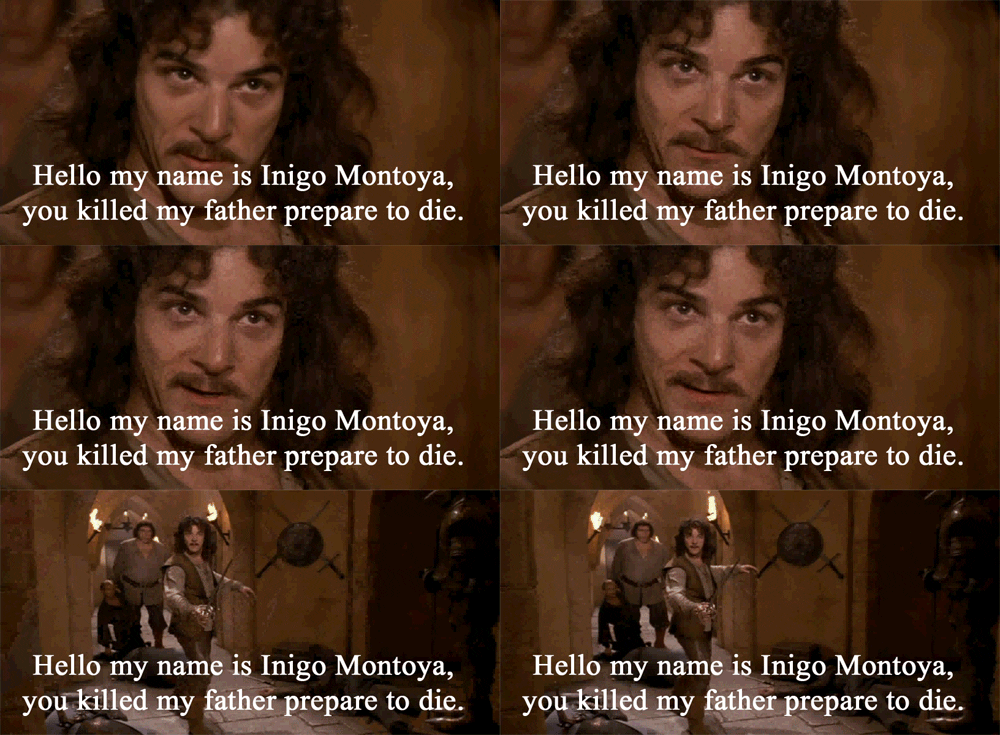
One of my favorite and definitely most quotable films, “The Princess Bride”(1987) brings together all the classic elements of the damsel in distressΒ story and style of the irreverent and hilarious Monty Python franchise to the 1980’s generation.
It’s back in the theaters and even if you’ve quoted it a thousand times, there’s nothing like sharing the laughter in the theater with fellow “Princess Bride” aficionados!
The film was adapted byΒ William GoldmanΒ from his 1973Β novel of the same name and tells the story of a farmhand named Westley, accompanied by befriended companions along the way, who must rescue his true love Princess Buttercup from the odious Prince Humperdinck.
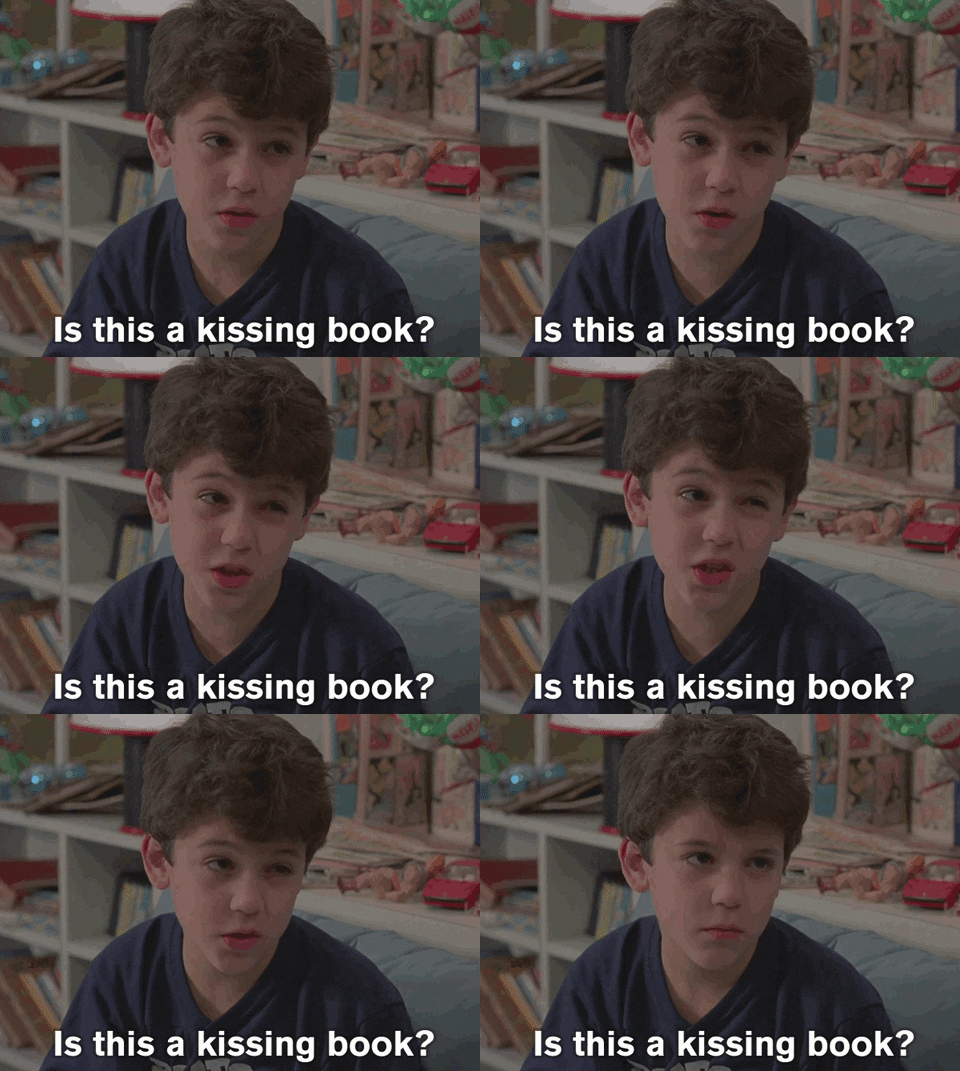
The story is presented in the film as a book being read by a grandfather (Peter Falk) to his sick grandson (Fred Savage), thus effectively preserving the novel’s narrative style. (Wikipedia)
Fred Savage
This 30th-anniversary event includes a specially produced interview with Ben Mankiewicz and Rob Reiner.
Awards:
*1992: Best Picture (David Brown, Rob Reiner and Andrew Scheinman, Producers), A Few Good Men. **1976: Adapted Screenplay, All the Presidentβs Men; 1969, Original Screenplay, Butch Cassidy and the Sundance Kid.
Cast now: Cary Elwes, Robin Wright, Mandy Patinkin, Chris Sarandon, Wallace Shawn, Carol Kane, and Billy Crystal
Make sure to mark your calendar, buy your ticketand get ready to enjoy this classic on the big screen. Relive this epic adventure filled with fencing, fighting, giants, monsters, Miracle Max, and true love!
I can appreciate there are those who don’t like Top 10 lists but I tend to enjoy them because of getting to find out the favorites of fellow film lovers. Also, reminiscing about my best-loved movies that perhaps I haven’t thought about for a while.
Closing lines can serve as punctuation, theΒ cherry on top. They can also, wrap up the film. One-linersΒ that recall the movie all over again. Often times these are the quotes we remember most and become representative of the movie’s theme.
There are way too many movies to choose from so these are just a sampling that made this particular list. I love the Top 2 but as I was watching so many other films came to mind.
Please, let me know in the comments some of your best quotes. I’m looking forward to reading them.
β΄β΄β΄β΄β΄β΄
Spoiler Alert: I make it a point to never reveal a film’s ending because it’s a matter of courtesy. Don’t spoil the movie!
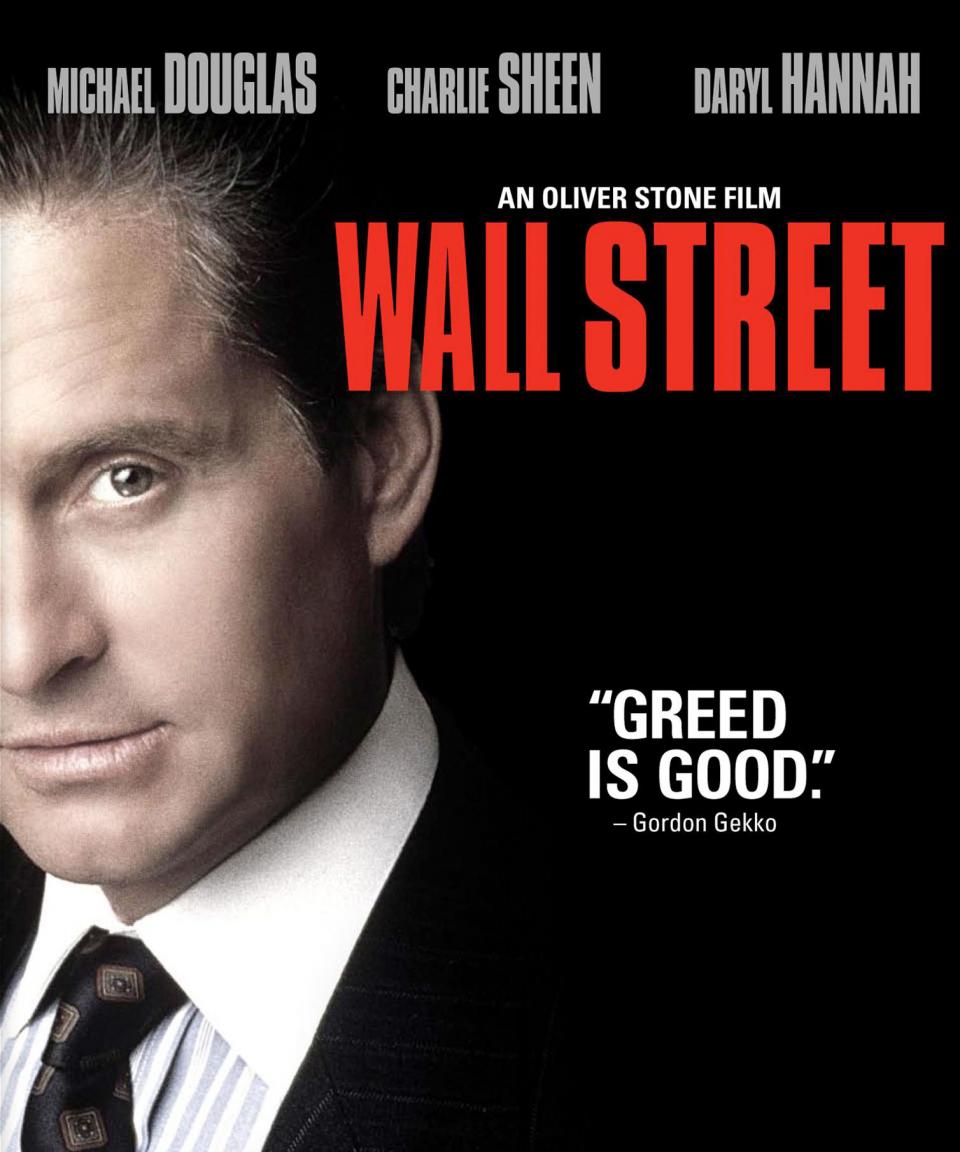
In this riveting behind-the-scenes look at big business in the 1980s, an ambitious young broker (Charlie Sheen) is lured into the illegal, lucrative world of corporate espionage when he is seduced by the power, status and financial wizardry of Wall Street legend Gordon Gekko (Β Michael Douglas in his Oscar-winning performance).
But, he soon discovers that the pursuit of overnight riches comes at a price thatβs too high to pay. Daryl Hannah and (Martin Sheen‘s) co-star in Oliver Stone’s gripping morality tale about the American dream gone wrong. (Fathom Events)
This special 30th-Anniversary event also includes a unique look at ‘Greed is Good”, a retrospective.
When I experienced “Wall Street” at its release I thought it hit the nail on the head as far as the state of Ronald Reagan’s America. All about the Benjamins, this country ventured down a road we continue to travel, with even more disastrousΒ results – “Citizens United”, “Corporations are People”, “Enron”, “The Worse Recession since the Great Depression”, all in the name of “Greed is Good”.
Stone made the film as a tribute to his father, Lou Stone, a stockbroker during theΒ Great Depression. The character of Gekko is said to be a composite of several people, includingΒ Dennis Levine,Β Ivan Boesky,Β Carl Icahn, (endorsed TrumpΒ for theΒ 2016 U.S. presidential election)Β Asher Edelman,Β Michael Ovitz,Β Michael Milken, and Stone himself. The character of Sir Lawrence Wildman, meanwhile, was modeled on the prominent British financier and corporate raiderΒ Sir James Goldsmith. (Wikipedia)
Check out “Wall Street” in a theater near you and take a look back at the not so distant past to fully understand why the rich get richer and the poor beg for healthcare. Brilliantly directed by Oliver Stone, it reminds us that if we don’t know our history we are bound to repeat it.
Believe it or not, I appreciate being corrected and kept on my toes about the facts and details of film history.
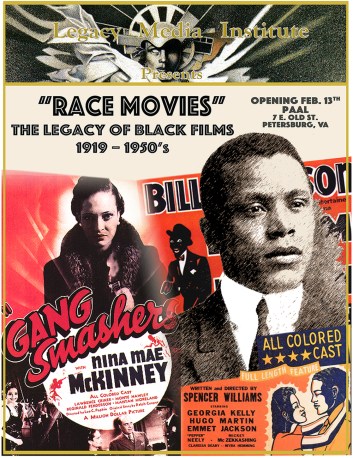
Thanks to the observant eye of one of my fabulous readers, I’m making a correction to a previous post aboutΒ “Cabin in the Sky”. I labeled it as the first all black cast and musical which it was not.
Spencer Williams was an American actor, writer, director, and producer whose early pioneering work in African-American or “race” films was eclipsed in fame by his role as one of the title characters in the equally pioneering and also controversial 1950s sitcomΒ The Amos ‘n Andy ShowΒ (1951). (IMDb)
Directed by Arvid E. Gillstrom, the plot of “The Melancholy Dame” involves a nightclub owner’s wife (Evelyn Preer), jealous of his attentions to his star singer, scheming to get her fired. The look on the wife’s face from the opening frame says it all!
I can’t believe I found a copy of the film (20 min.) on YouTube.
The first two full-length films with all black casts were “Hearts in Dixie” (1929) starring Daniel Haynes, Nina Mae McKinney, and Victoria Spivey and “Hallelujah” (1929) which starred Clarence Muse, Stepin’ Fetchit, and Mildred Washington. “Hearts in Dixie” was also the first all black-oriented all-talking film from a major company. (The Chronical History of the Negro in America)
“Hearts in Dixie” celebrates African-American music and dance and was released by Fox Film Corporation just months before Hallelujah,Β producedΒ byΒ competitorΒ Metro-Goldwyn-Mayer. The director ofΒ Hearts in DixieΒ wasΒ Paul Sloane. Walter Weems wrote the screenplay, andΒ William FoxΒ was the producer. (Wikipedia)
“Hearts in Dixie”Β unfolds as a series of sketches of life among American blacks. It featured characters with dignity, who took action on their own, and who were not slaves.Β The plot focuses on Grandfather Nappus (Clarence Muse), his daughter, Chloe (Bernice Pilot), her young son, Chinaquapin (Eugene Jackson), and her husband, Gummy (Stepin Fetchit).
To make certain his grandson Chinaquapin does not end up like his father or become tainted by the superstitions that dominate the community, the grandfather decides to send the boy away.
“Hallelujah”(1929), was the first all black musical and was directed by King Vidor and produced by MGM studios. It was intended for a general audience and was considered so risky a venture byΒ MGMΒ that they required King Vidor to invest his own salary in the production.
Vidor expressed an interest in “showing the Southern Negro as he is”(whatever that means)Β and attempted to present a relatively non-stereotyped view of African-American life.
“Hallelujah!”Β was King Vidor’s first sound film, and combined sound recorded on location and sound recorded post-production in Hollywood.Β King Vidor was nominated for a Best DirectorΒ OscarΒ for the film.
It was the first major studio musical and the first of its kind in Hollywood history.Β In 2008, “Hallelujah!”Β was selected for preservation in the United StatesΒ National Film RegistryΒ by theΒ Library of CongressΒ as being “culturally, historically, or aesthetically significant.”
Vidor thought the time was right to test the waters of racial tolerance with a tale of sex, murder, religion, and music enacted by a black cast. He also wanted to take advantage of the emerging sound technology that was revolutionizing the film industry.
ΞΞΞΞΞ
These 3 films were some of the first race talkies ever and despite the stereotypes, these films are important as they were made with black actors for black audiences (thus ‘race films’).
African Americans produced films for black audiences as early as 1905, but most race films were produced after 1915.Β As many as 500 race films were produced in the United States between 1915 and 1952.Β As happened later with the earlyΒ black sitcomsΒ on television, race movies were most often financed by white-owned companies, such asΒ Leo Popkin, and scripted and directed by whites, although one producer,Β Alfred N. Sack, made some films written and directed by black talent such asΒ Spencer Williams (actor).
Many race films were produced by white-owned film companies outside theΒ Hollywood-centered American film industry such asΒ Million Dollar ProductionsΒ in the 1930s andΒ Toddy PicturesΒ in the 1940s. One of the earliest surviving examples of a black cast film aimed at a black audience isΒ A Fool and His MoneyΒ (1912), directed by French emigreeΒ Alice GuyΒ for the Solax Film Company.Β The Ebony Film Company ofΒ Chicago, created specifically to produce black-cast films, was also headed by a white production team.
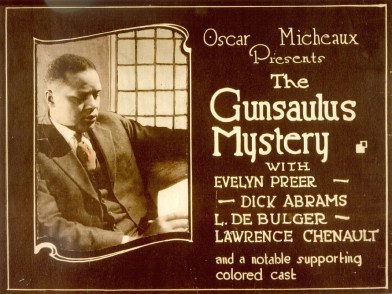
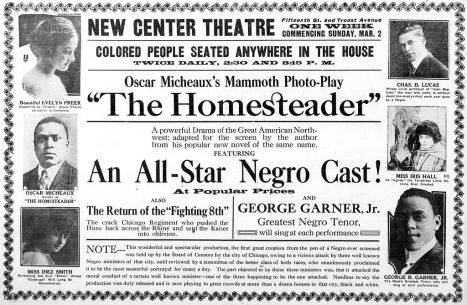
Some black-owned studios existed, includingΒ Lincoln Motion Picture CompanyΒ (1916β1921), and most notablyΒ Oscar Micheaux‘s Chicago-based Micheaux Film Corporation, which operated fromΒ 1918β1940. On his posters, Micheaux advertised that his films were scripted and produced exclusively by African Americans.Β Astor PicturesΒ also released several race films and producedΒ BewareΒ withΒ Louis Jordan.
Race films vanished during the early 1950s after African-American participation inΒ World War IIΒ contributed to black actors in leading roles in severalΒ HollywoodΒ major productions, which focussed on the serious problems of integration and racism, such asΒ PinkyΒ withΒ Ethel Waters;Β Home of the BraveΒ withΒ James Edwards; andΒ Intruder in the Dust, all in 1949; andΒ No Way OutΒ (1950), which was the debut of the notable actorΒ Sidney Poitier. The last known race film appears to have been an obscure adventure film of 1954 calledΒ Carib Gold. (Wikipedia)
Thanks to my original error, I ended up learning so much more about the history of black ‘race’ films and the long, rich history of African American artists.
Produced in 1943 at MGM by Arthur Freed and directed by Vincent Minnelli, “Cabin in the Sky” is the 1st all Black film produced by a major studio in Hollywood. “Happiness is a Thing Called Joe” was nominated for an Academy Award for Best Original Song and sung by the film’s star, Ethel Waters.
This musical take on Faust pits Little Joe (Eddie “Rochester” Anderson) against Luther Jr. (Lucifer’s baby boy). Enter temptress Georgia Brown (Lena Horne). Does Little Joe’s wife, Petunia (Ethel Waters) even stand a chance or will Joe be condemned to Hell?
“Cabin in the Sky”Β in featuring an all-African AmericanΒ cast was an unusual production for its time. In the 1940s, movie theaters in many cities, particularly in the southernΒ United States, refused to show films with prominent black performers, so MGM took a considerable financial risk by approving the film. (Wikipedia)
Some remember “Cabin in the Sky”Β for its intelligent and witty script, which some claimed treated its characters and their race with a dignity rare in American films of the time. Others describedΒ Cabin in the Sky’s racial politics as the same “old stereotypes of Negro caricatures”.
Ethel Waters, Kenneth Spencer, Eddie “Rochester” Anderson, Lena Horne, Rex Ingram
According to liner notes in the CD reissue of the film’s soundtrack, Freed and Minnelli sought input from black leaders before production began on the film.
When I first saw this film as a kid in the 60’s I was absolutely floored. This was during the civil rights era and I had no idea that in the 1940’s a major production company had taken on the issue of the lack of black representation in film. I understand the point about the stereotypical characterizations – Lena Horne, the aggressive, hypersexual black woman. Ethel Waters, the dutiful, prayerful housewife and “Rochester”, the buffoonish and no account lazy black man.
My feelings of the film are mixed because to some extent, it feeds into the political narrative that some black folks aren’t worthy of equality because they wouldn’t know what to do with it if they had it. But on the other hand, there was finally a film with all black faces, the most gifted entertainers of all-time – Cab Calloway, Lena Horne, Ethel Waters, Duke Ellington, Louis Armstrong and their stories. These characters weren’t just sprinkled in, they were integral to the plot and couldn’t be cut out in racist southern theaters.
As a blackΒ woman, it both breaks my heart and angers me that we even needed to have this conversation, not only in the ’40’s but as an ongoing fight for all aspects of African-American representation on-screen.
After years of unavailability,Β Warner Home VideoΒ and Turner Entertainment released “Cabin in the Sky”Β on DVD on January 10, 2006. I recommend checking it out with this backstory in mind. These legendary artists deserved to have worldwide exposure the same as their white counterparts of the day.
We’ve come along way, but the truth is we still have a long way to go.
A fascinating rock n roll politico film from 1968. I’ve been intrigued by “Wild in the Streets” since I was a 9 year-old kid, I totally related to the concept of the film that the “younger generation” should be running things and not the “old cats” who always mess things up in this country. “ThirtyΒ and out” was my mantra. “Old fat cats” only in the game for their own personal gain. Yeah, I was a bit of a rebel. (or so my sisters always say:)
What resonated with me then and now are the political implications of organizing and using that voice and numbers to effect change. But also the nightmare when ideologies take a turn for the extreme.
Wild in the StreetsΒ was first released to theaters in 1968.Β Its storyline was a “reduction to absurdity”Β projection of contemporary issues of the time, taken to extremes, and played poignantly during 1968 βan election year with many controversies (theΒ Vietnam War,Β the draft,Β civil rights, theΒ population explosion,Β riotingΒ andΒ assassinations, and theΒ baby boomerΒ generation coming of age). (Wikipedia)
“Fourteen or Fight” is a perfect example of the youth movement of the sixties. This was the first time teens were a bigger block than their parents. Baby Boomers exerting power in numbers.
Richard Pryor’s appearance in this film is amazing! One of the most controversial comedians of our time, it was hilarious watching him fake playing the drums as a member of Max Frost’s “Troopers”.
Christopher JonesΒ had the perfect swag for his character. He had that whole brooding, tortured vibe like Marlon Brando in “The Wild One”and James Dean in “Rebel Without a Cause”. Β The Christopher Jones’ character Max Frost was a pop star millionaire who gets “turned on” to the 60’s political scene and decides to exercise his views on free love, youth is the majority in the U.S., women’ rights and ultimately runs for President of the United States. Β Let the absurdities begin!
Β The Music
The soundtrack is the backdrop for the politics in the film as well as real life. Max and The Troopers deal with current issues of the time (’67). Β Voting age: “14 or Fight”.”If I can fight I can vote”. Β Ageism: If you’re 50 does that make you more competent? Β The 25 and under age group is the majority. Β “We have the power”. Β Women’s rights: “Chicks would have killed for the vote”.
Β In 1968, “The Shape of Things to Come”, written byΒ Barry MannΒ andΒ Cynthia Weil, was a #22 chart hit for Max Frost and the Troopers. (a “studio group”, made up of session musicians)
This flick was over the top but had its pulse on the fears of the 60’s and a possible dysfunctional future. Growing up in the sixties I see a lot of similarities to today. “The Shape of Things to Come” was very prophetic.
AmericanΒ International Β founders Samuel Z. Arkoff and James H. Nicholson were genius! They were one of the first production companies to recognize and capitalize on the growing teen market. Think beach, biker, monster, drive-in movies. Think American International.
Β Christopher Jones
After “Wild in the Streets” Christopher Jones only made a couple more films, “Three in the Attic” 1968. Classic 60’s love in fest. The big studios took notice and David Lean offered him the romantic lead in the big budget drama “Ryan’s Daughter” 1970. Reportedly it was on the set of the film he had a nervous breakdown after hearing of Sharon Tate’s murderΒ and shortly after left the Hollywood scene.
His last appearance was in the 1996 crime comedy “Mad Dog Time” opposite Richard Dreyfuss. Β In his later years he had a career as an artist and sculptor. He died from cancer on January 31, 2014 at the age of 72.
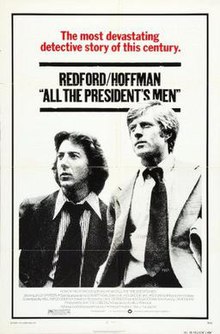
The Academy Award winning film, “All the President’s Men” is the 1976 American political thriller directed by Alan J. PakulaΒ and starring Robert Redford and Dustin Hoffman. I believe it’s the best film on the Watergate scandal and the incredible journalism of Carl Bernstein and Bob Woodward. Β The gold standard of journalists, their hard work ultimately uncovered the truth of the events that changed the course of American history; the first time ever that an American President resigned from office.
The Plot: On June 17, 1972, a security guard (Frank Wills) at the Watergate complex finds a door kept unlocked with tape. He calls the police, who find and arrest five burglars in the Democratic National Committee headquarters within the complex. The next morning, The Washington Post assigns new reporter Bob WoodwardΒ (Robert Redford) to the local courthouse to cover the story, which is thought to be of minor importance.
Woodward learns that the five men, four Cuban-Americans from Miami and James W. McCord, Jr., had bugging equipment and have their own “country club” attorney. At the arraignment, McCord identifies himself in court as having recently left the Central Intelligence Agency and the others also have CIA ties. Woodward connects the burglars to E. Howard Hunt, a former employee of the CIA, and President Richard Nixon‘s Special CounselCharles Colson. (Wikipedia)
Carl Bernstein (Dustin Hoffman), another Post reporter, is assigned to cover the Watergate story with Woodward. The two are reluctant partners but work well together. Executive editor Benjamin Bradlee (Jason Robards) believes their work is incomplete, however, and not worthy of the Post’s front page. He encourages them to continue to gather information.
Woodward contacts “Deep Throat” (Hal Holbrook), a senior government official, an anonymous source he has used in the past. Communicating through copies of The New York Times and a balcony flowerpot, they meet in a parking garage in the middle of the night. Deep Throat speaks in riddles and metaphors about the Watergate break-in, but advises Woodward to “follow the money.” (Wikipedia)
Theatrical Release Poster
Yes, “follow the money” indeed.
I was in high school when the Washington Post reporters Carl Bernstein and Bob Woodward uncovered the historic Watergate scandal and I have never forgotten the outrage and for some disbelief that the President of the United States was guilty of a cover-up; it shook American politics to its core.
Carl Bernstein, Bob Woodward
However, it was true and instead of being impeached Nixon resigned his office. That is why the overwhelming evidence against the current resident of 1600 Pennsylvania Ave is so very shocking; Richard Nixon did far less and with a bi-partisan agreement, Articles of Impeachment were drawn.
“All the President’s Men” is the 1974 non-fiction book by Carl Bernstein and Bob Woodward, that was subsequently made into the motion picture starring Dustin Hoffman and Robert Redford. The book chronicles the investigative reporting of Woodward and Bernstein from Woodward’s initial report on the Watergate break-in through the resignations of H. R. Haldeman and John Ehrlichman, and the revelation of the Nixon tapes by Alexander Butterfield in 1973. (Wikipedia)
The cover of the 1974 first edition.
It relates the events behind the major stories the duo wrote for the Post, naming some sources who had previously refused to be identified for their initial articles, notably Hugh Sloan. It also gives detailed accounts of Woodward’s secret meetings with his source Deep Throat whose identity was kept hidden for over 30 years.Gene Roberts, the former executive editor of The Philadelphia Inquirer and former managing editor of The New York Times, has called the work of Woodward and Bernstein “maybe the single greatest reporting effort of all time.” (Wikipedia)
To hear more about the history of Watergate from the words of the reporters themselves: Bob Woodward and Carl Bernstein.
While watching Marlene Dietrich’s sultry performance of “The Laziest Gal in Town” in Alfred Hitchcock’s 1950 thriller,”Stage Fright”, I asked my husband if the song and performance seemed familiar. BecauseΒ I’ve raised him right (on film history that isπ), he remarked, “of course, Madeline Kahn’s performance of “I’m Tired” in the Mel Brooks satirical Western comedy classic, “Blazing Saddles” (1974).
Marlene Dietrich “Laziest Gal in Town”
Madeline Kahn “I’m So Tired”
(Top) Marlene Dietrich (Bottom) Jane Wyman
I loved hearing his response because it’s the main reason I pen this post; for the history and appreciation of films. Understanding a writer or director’s references to past movies in theirs adds to the richness of the production. It helps young people comprehend that few things in life are original and imitation can be the sincerest form of flattery.
Sometimes the homage in a movie isn’t to a particular scene in a film but the music. I love Minions period but I especially enjoyed the “Minions” movie’s 1960’s soundtrack that made the perfect nod to James Bond type villains (“Minions” Scarlet Overkill) and the time period of the setting.
As a child of the ’60’s I remember turning to my husband in the theater saying, 99% of the people in here weren’t even born yet and I wonder if any of them appreciate the inclusion of the classic songs of this era.
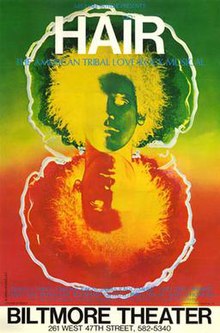
The song is “Hair” from the iconic 1968 counter-culture and controversialΒ stage and film productionΒ “Hair”
I’ve spent my lifetime watching and loving the cinema and have educated my children with a more sophisticated palette for black and white films and how they just don’t make them like that anymore.π
Hundreds of full-length films were produced during the decade of the 1940s; during Hollywood’s Golden Age. The great actor Humphrey Bogart made his most memorable films in this decade. Frank Capra’s masterpiece It’s a Wonderful Life and Orson Welles’s cinema genius production ofΒ Citizen Kane were released. The film noir genre was at its height. Alfred Hitchcock made his American debut with the film RebeccaΒ and made many classics throughout the 1940s. (Wikipedia)
(Top) Cary Grant, Audrey Hepburn, Marlon Brando (Middle) Lauren Bacall, Marilyn Monroe, Grace Kelly (Bottom) Humphrey Bogart, Marlene Dietrich, Clark Gable
Movie Stars of the 1940’s & 1950’s
Of course, I want you to visit my website as a source of reference material, but if you want to see these full-length gems for free, I recommend tuning into the Turner Classic Movies channel. They show everything from the great silent films, Chaplin, Buster Keaton, etc. through Hollywood’s “Golden Age”.
These classic films bring me great joy and I hope you’ll find a special place in your heart for them, too!
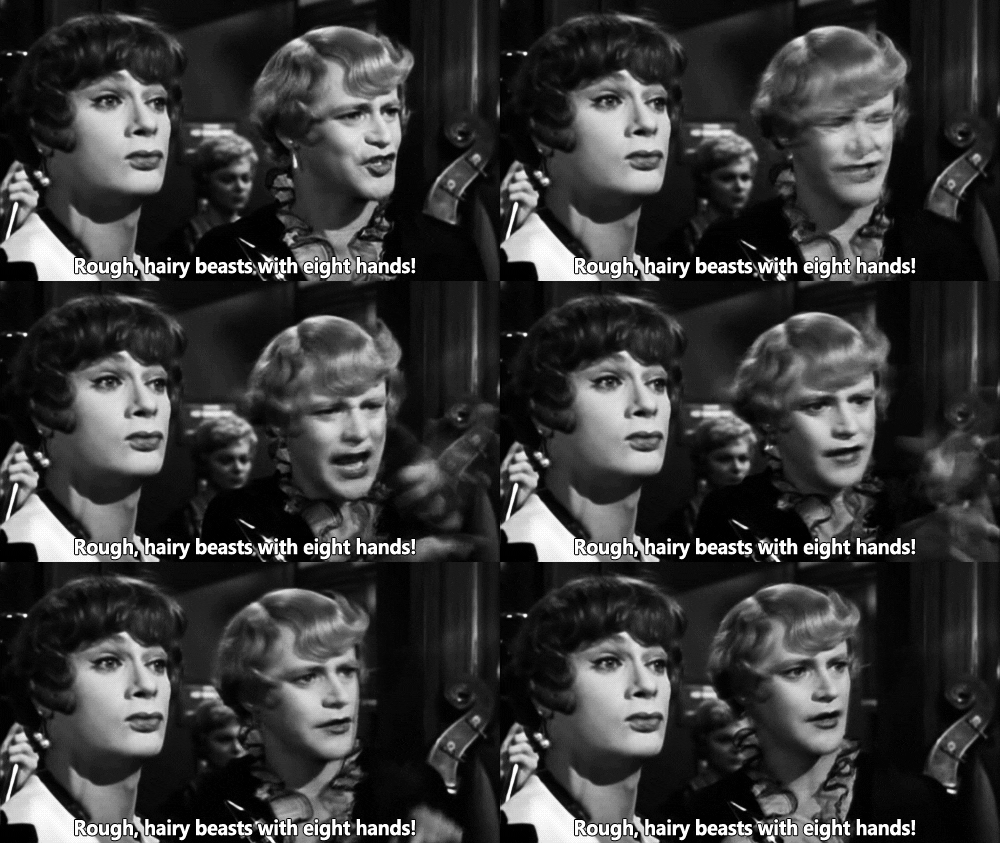
With no money and nowhere to hide, two down on their luck jazz musicians (Tony Curtis and Jack Lemmon) masquerade as members of an all-girl band, leading to a number of romantic complications when one falls for the bandβs lead singer (Sugar Cane) played by Marilyn Monroe.
Tony Curtis, Jack Lemmon, Marilyn Monroe
Some Like It Hot is a 1959 American romantic comedy film set in 1929, directed and produced by Billy Wilder, starring Marilyn Monroe, Tony Curtis, and Jack Lemmon. The supporting cast includes George Raft, Pat O’Brien, Joe E. Brown, Joan Shawlee, and Nehemiah Persoff.
The plot is based on a screenplay by Billy Wilder and Michael Logan from the French film Fanfare of Love. The film is about two musicians who dress in drag in order to escape from mafia gangsters whom they witnessed commit a crime inspired by the Saint Valentine’s Day Massacre. The film was produced in black and white, even though color films were increasing in popularity. (Wikipedia)
Some Like It Hot opened to largely positive reviews and is today considered to be one of the greatest film comedies of all time. It was voted as the top comedy film by the American Film Institute on their list on AFI’s 100 Years… 100 Laughs poll in 2000. The film is also notable for featuring cross-dressing, and for playing with the idea of homosexuality, which led to it being produced without approval from the Motion Picture Production Code.
The code had been gradually weakening in its scope during the early 1950s, due to increasing social tolerance for previously taboo topics in film, but it was still officially enforced. The overwhelming success of Some Like It Hot was a final nail in the coffin for the Hays Code. (Wikipedia)
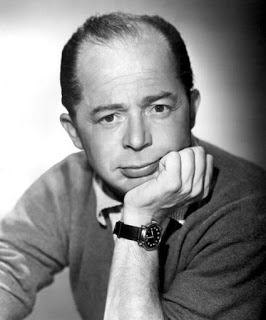
I love Billy Wilder because of his versatility in films and his testing the boundaries of societal norms. To that end, the first movie that always comes to mind is “Some Like it Hot”.Β To find out more about Billy Wilder and his films, check out my post – The Faces Behind the Camera.
Billy Wilder
I highly recommend taking advantage of this opportunity to see “Some Like it Hot” on the big screen!
This site is about how to live our life in a meaningful way by accepting complete surrender to the Almighty with purity of mind and character. It is about the eternal religion of the world i.e. Hinduism which is very liberal to anyone because there are many branches or methods to get the divinity to turn our life into an ever blissful one.
Free listening and free download (mp3) chill and down tempo music (album compilation ep single) for free (usually name your price). Full merged styles: trip-hop electro chill-hop instrumental hip-hop ambient lo-fi boombap beatmaking turntablism indie psy dub step d'n'b reggae wave sainte-pop rock alternative cinematic organic classical world jazz soul groove funk balkan .... Discover lots of underground and emerging artists from around the world.